

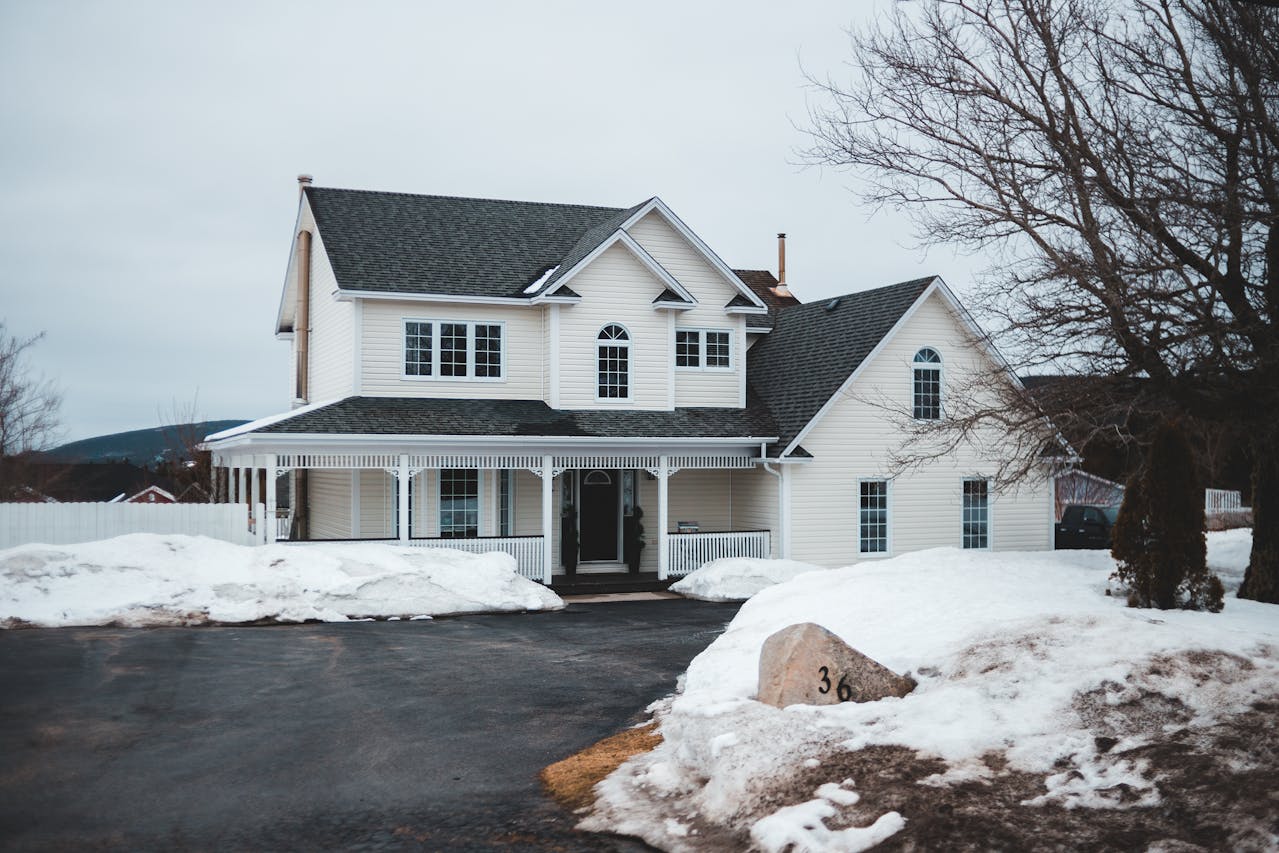
The weather in Central PA is turning out to be quite the cold one, with a few snow days already on the books. Because of this, if you’re noticing leaks or missing shingles this winter, your instinct is probably to fix it immediately. A roof is your home’s primary shield and the idea of leaving it vulnerable during snow season is stressful.
However, unless you are facing a catastrophic emergency where water is pouring into your living room, rushing to replace a full asphalt roof in the dead of winter is often a mistake. While it is technically possible, the risks to your home’s long-term integrity - and your wallet - usually outweigh the benefits.
Many roofers aren’t going to tell you this, but because we pride ourselves on honesty and a job done right the first time, we always disclose this information. As your Carlisle roofing pros, who have years of installing roofs in Cumberland, Dauphin, York, Adams, Perry and Franklin Counties, we generally recommend waiting for the spring thaw to install asphalt shingles. Here are 5 reasons why:
1. The "Shatter" Factor: Asphalt Gets Brittle
Asphalt shingles are designed to be flexible. This flexibility allows them to sit flat against your roof deck and endure the expansion and contraction caused by temperature changes.
When the thermometer drops below 40°F (4°C), asphalt loses that flexibility. It becomes rigid and brittle.
- Cracking: During installation, roofers must handle, bend and cut shingles to fit valleys, ridges and edges. In freezing temps, manipulating a shingle often causes it to snap like a saltine cracker rather than bend.
- Micro-fractures: Even if the shingle doesn't snap in half, the stress of installation can cause micro-fractures in the asphalt or fiberglass mat. These tiny cracks might not be visible immediately, but they can lead to premature failure years down the road.
The Nail Gun Problem: Roofers use pneumatic nail guns to secure shingles. In warm weather, the nail drives through the soft asphalt, creating a snug seal. In freezing weather, the shingle is hard; the nail can shatter the installation area or blow right through the shingle entirely, leaving it unsecured.
2. The Adhesive Won't Activate (The "Zipper" Effect)
This is arguably the most critical technical reason to wait. Modern asphalt shingles feature a strip of thermal adhesive (often called the "tar line" or "sealant strip") on the back.
This adhesive is not like superglue; it is thermally activated. It needs the heat of the sun to soften, become sticky, and bond to the shingle below it. This bonding process creates a single, wind-resistant waterproof barrier.
- In Summer: The sun heats the roof, the strips melt and the roof seals within days.
- In Winter: The sun isn’t strong enough and the air is too cold. The adhesive strip remains hard and non-sticky.
The Risk: Until those shingles seal, your roof is vulnerable to wind. If a winter gale hits your unsealed roof, the wind can lift the shingles up (like an unzipped jacket) and rip them right off. You could pay for a new roof in January only to find pieces of it in your yard in February.
3. You Might Void Your Warranty
Roofing manufacturers are very specific about installation conditions. Companies like GAF, Owens Corning and CertainTeed have strict guidelines regarding temperature.
If a contractor installs the roof when the temperature is too low, and they fail to follow the "Cold Weather Application" protocols (which often require manually hand-sealing every single shingle with a caulk gun), the manufacturer may void your warranty.
If your roof fails two years from now, the manufacturer could reject your claim simply because the installation temperature was 30°F and the proper manual sealing wasn't documented.
4. Human Error and Safety Risks
Roofing is a dangerous job in perfect weather. In winter, the risks multiply, which can indirectly affect the quality of workmanship on your home.
- Slippery Surfaces: Frost is often invisible on a roof deck. A crew that is worried about slipping on ice is naturally going to be slower (if they aren’t rushing to get out of the cold) and perhaps less precise than a crew working on firm footing.
- Bulky Gear: To stay warm, roofers wear heavy gloves and coats. This reduces dexterity. Handling small nails, cutting straight lines with utility knives and keeping shingle courses perfectly straight is much harder when you are bundled up like a mountaineer.
- Rushing: Nobody wants to be on a freezing roof for long. The natural human tendency is to work faster to get out of the cold, which is when mistakes-like missed nails or poor flashing details happen.
5. Uneven Appearance (The "Lumpy" Roof)
When shingles are bundled at the factory, they are wrapped tight. In cold weather, they tend to hold the curved shape of the bundle rather than laying flat.
If you install these "cold curled" shingles, your new roof will look lumpy, wavy or bumpy. While they might eventually flatten out once summer heat arrives, there is no guarantee they will settle perfectly, especially if they were nailed down while distorted. A roof installed in summer looks flat and crisp immediately; a roof installed in winter often looks "rough" for months.
Is It Ever Okay?
There is one major exception: Emergencies.
If a tree falls on your house or storm damage rips off a section of your roof, you cannot wait for spring. In this case, you should not do a full replacement. Instead, hire a professional and reliable roofing company like Marroquin Exteriors to do a temporary repair or a "tarp and secure" job to make the home watertight until the weather warms up.
If a full replacement is absolutely unavoidable in winter (e.g., for a real estate closing), you must ensure the contractor:
- Hand Seals: They must apply roofing cement under every shingle tab manually.
- Using Gentler Tools: They should hand-nail rather than use guns to prevent shattering.
- Storage: They must keep the shingles in a heated garage or truck until the moment they are installed.
The Verdict
Patience pays off. A roof is a 20-to-30-year investment. Installing it in sub-optimal conditions to save a few weeks can compromise that investment from Day 1.
Advice from the Marroquin Roofing Experts: Patch the leaks now, but schedule the full replacement for the first warm weeks of spring. Your roof (and your wallet) will thank you.